The Tin Whistle · a reader’s notebook
The craft of entertaining children, kept the way a performer keeps his book.
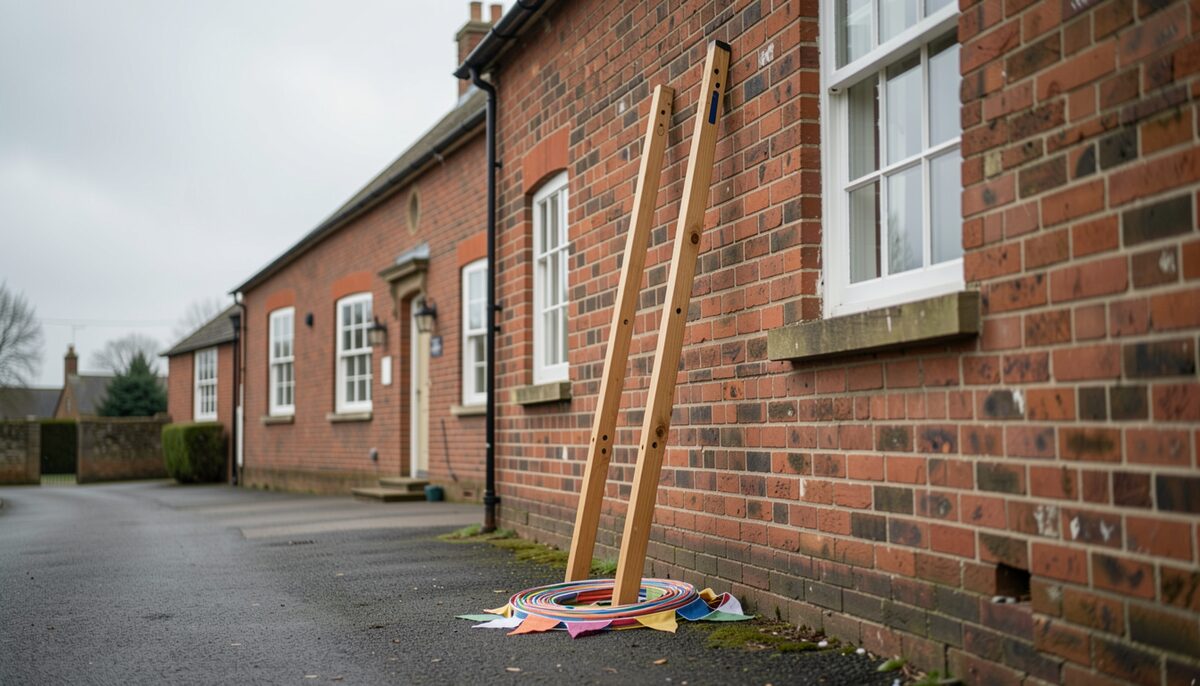
The forty-minute parlour show, the balloon folded under watching eyes, the stilts leaned against a village-hall wall, and the paperwork that follows the performer home: watched, checked and written down.
- patience
- the first skill the room teaches, before any trick
- timing
- the pause that makes a small room laugh
- hands
- what the audience watches while the trick happens elsewhere
- audience
- the room is the partner, never the target

On the bill
-
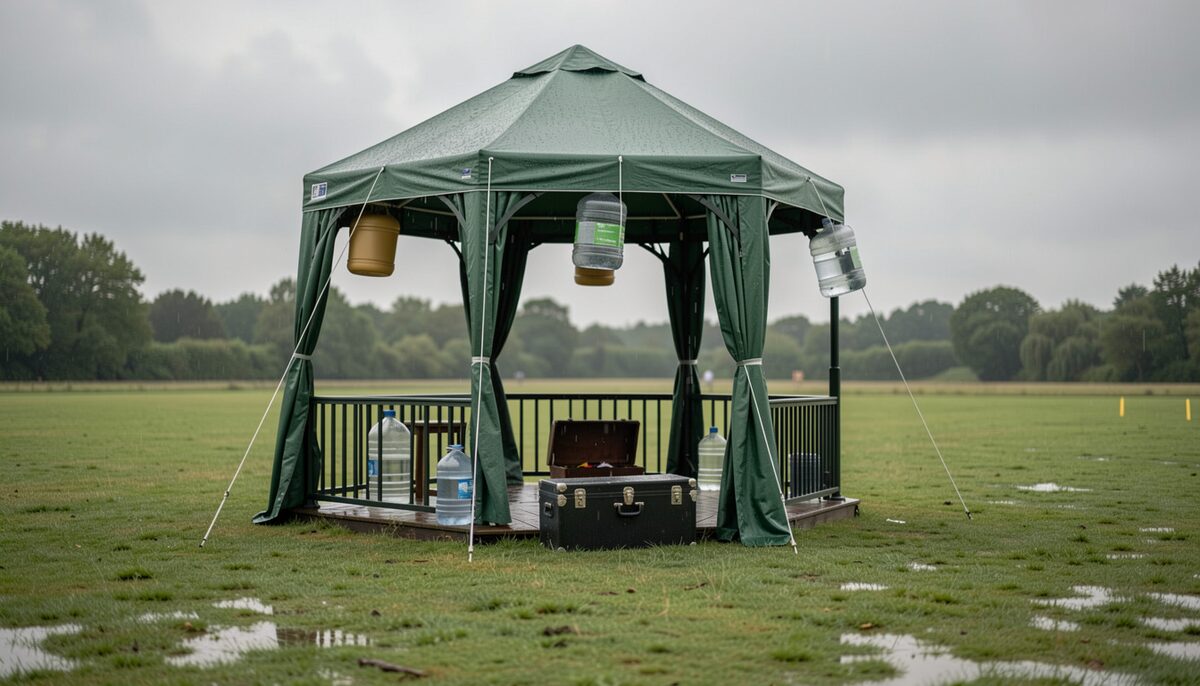
The rain plan for a fun day
What outdoor performers carry for rain: the gazebo negotiation, the indoor fallback, and what a fun day contract says about weather.
-
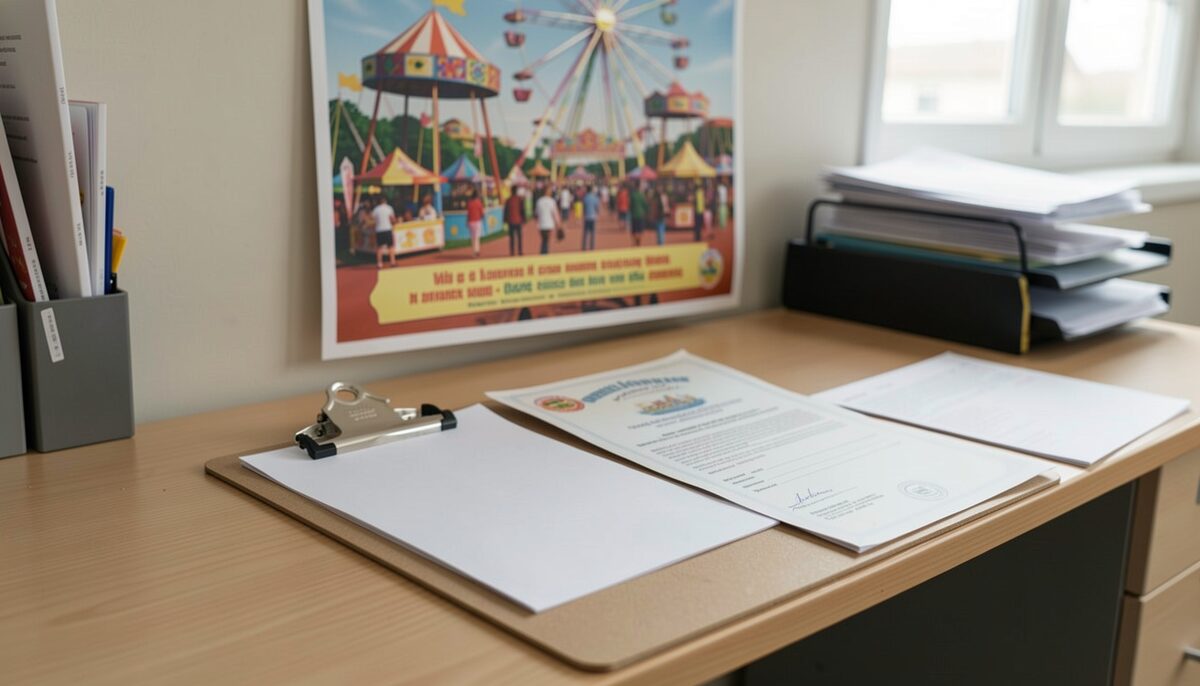
The school-fair booking form
The paperwork behind the school fair: public liability insurance, the DBS question, the risk assessment and the pitch terms.
-
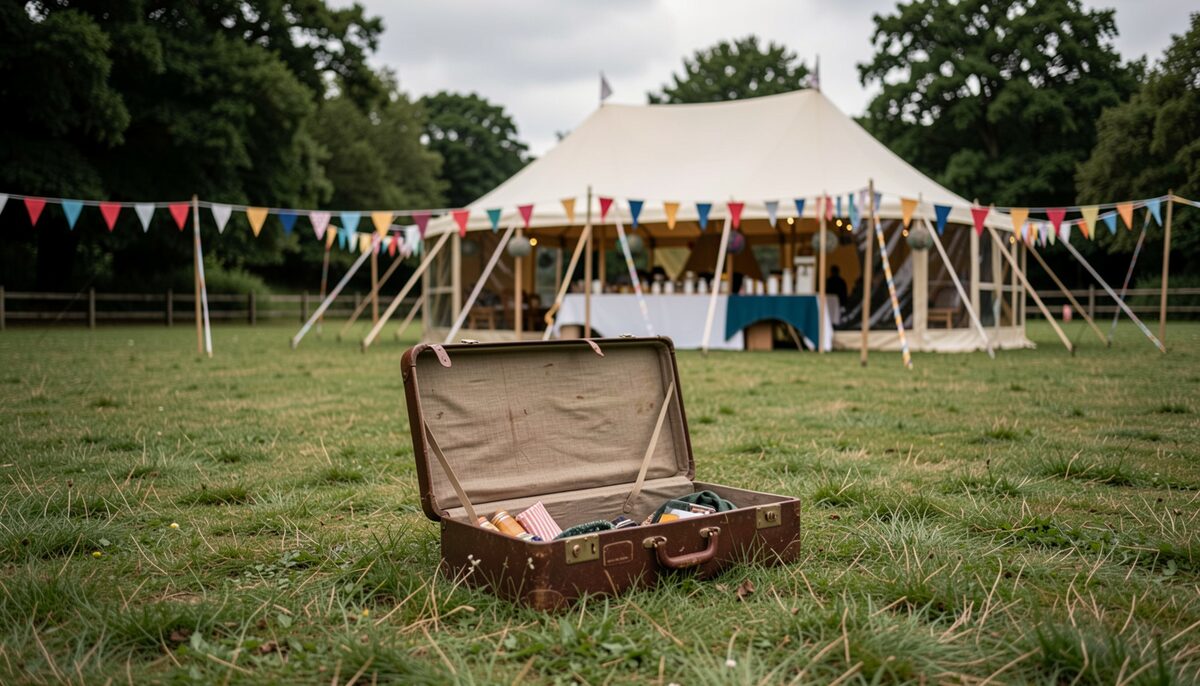
What a fete asks of a strolling performer
Walkabout work at the English fete: the crowd that never sits, the suitcase show, and the space a stroller has to make.


The programme
Every note in the book, in running order. A note is a worked evening: a question asked in a real room, answered from the record.
From the valise
-
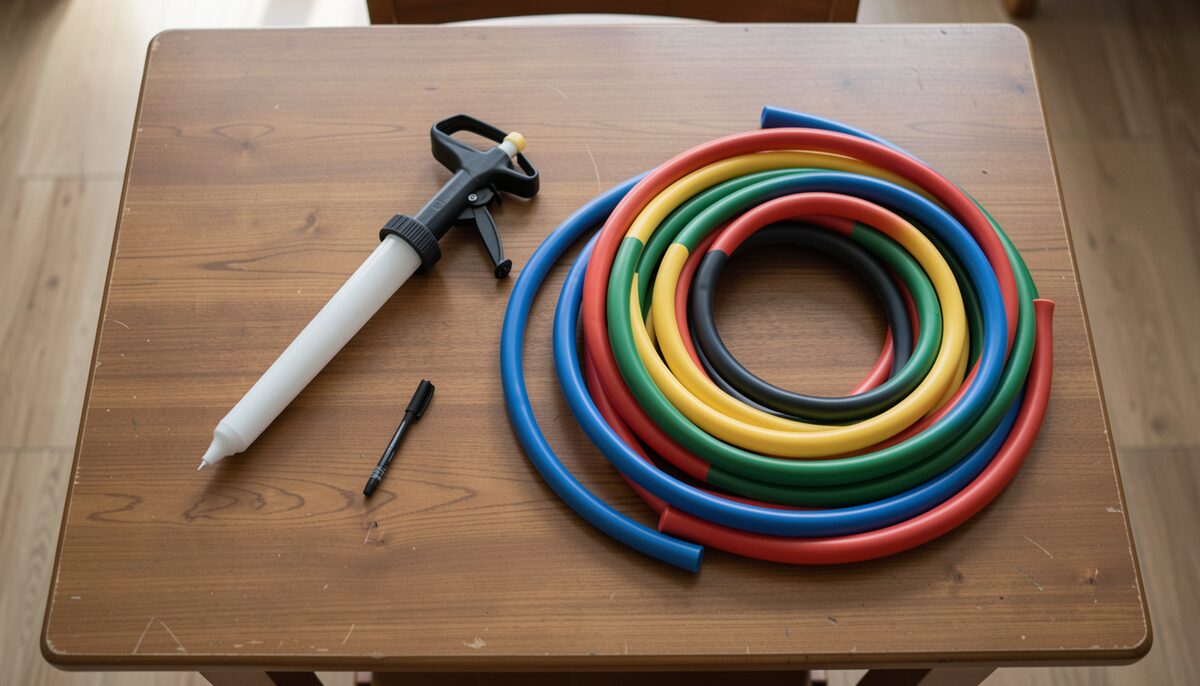
The pump, the marker and the twist
-
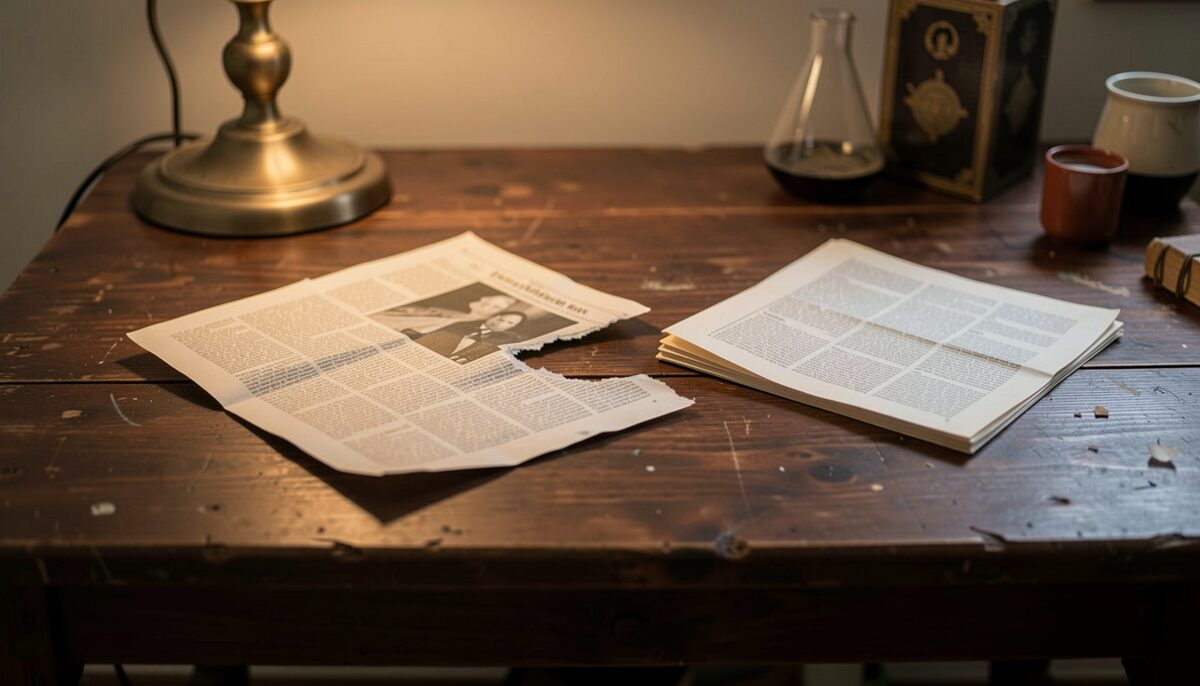
Paper tricks that tear and restore
-
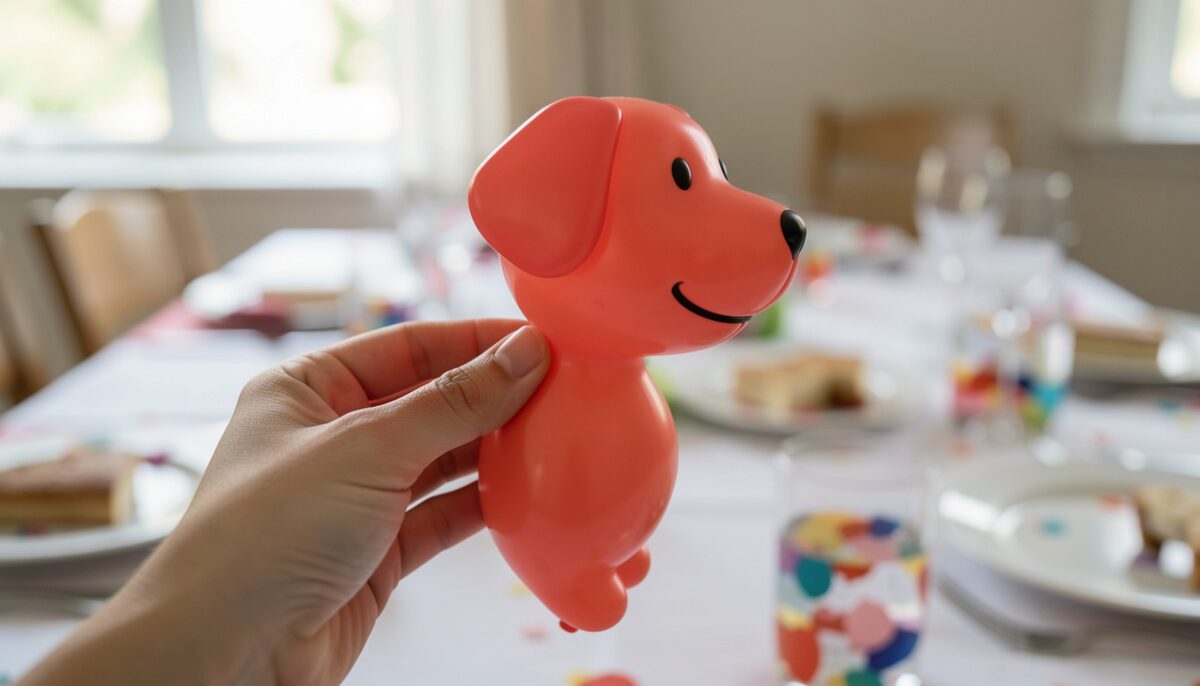
The balloon dog under watching eyes
-

The giraffe unicycle and other tall machines
-
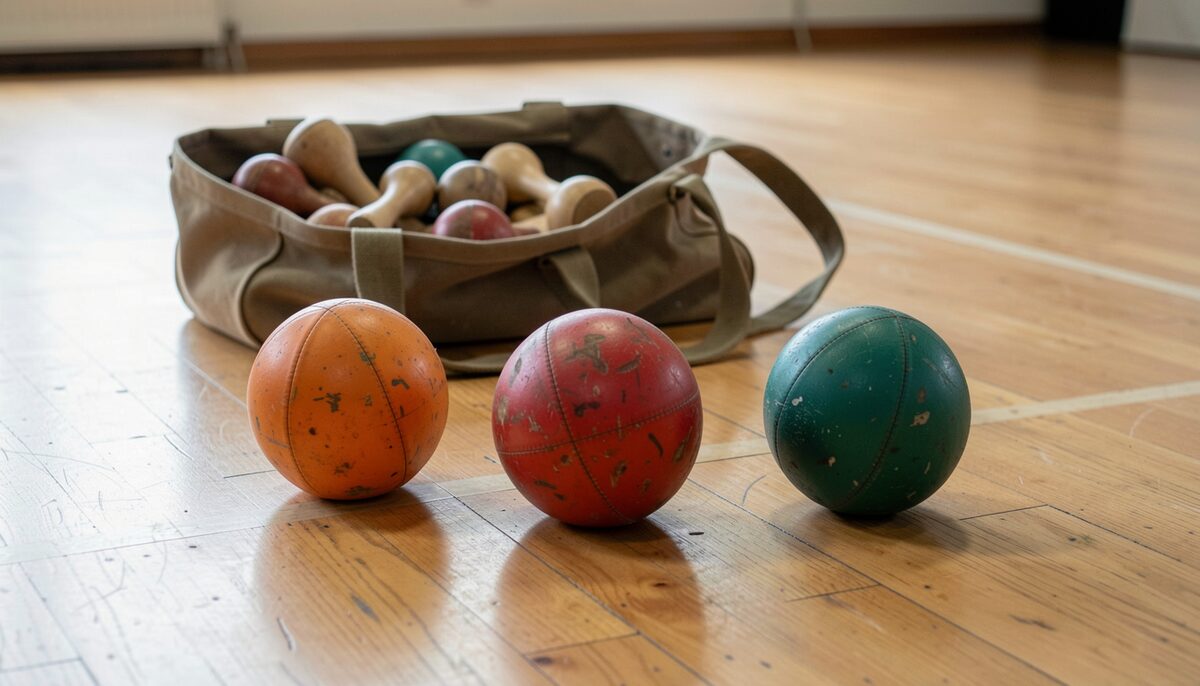
Juggling balls before anything sharper
-
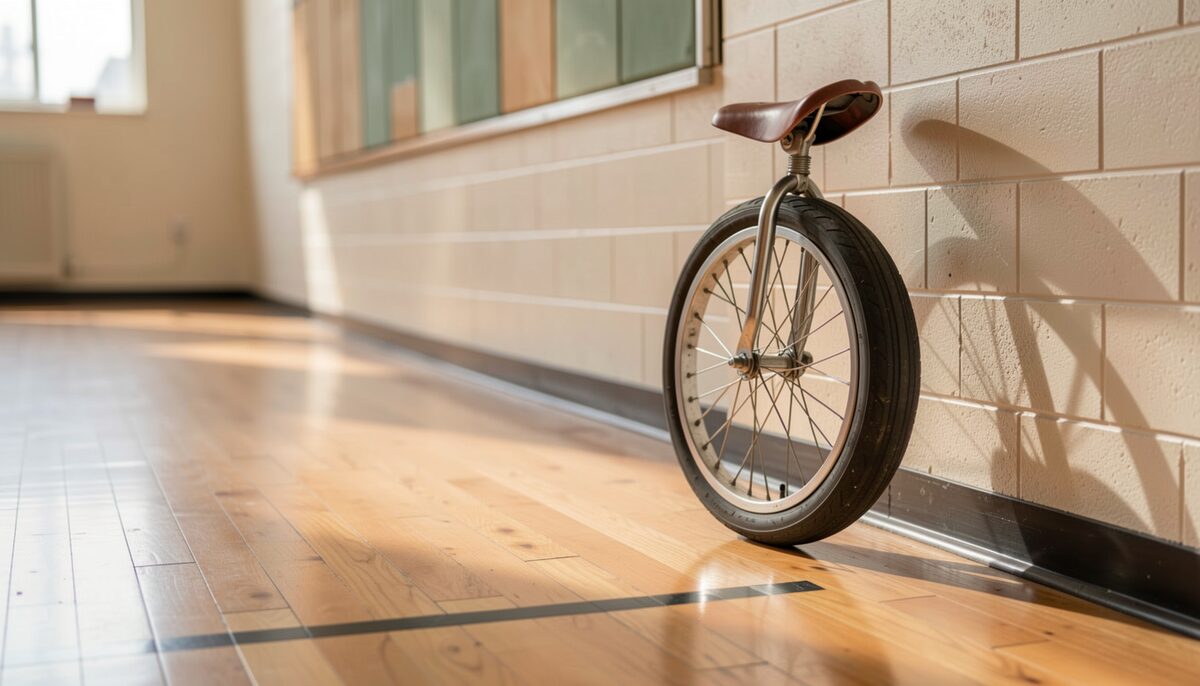
What a unicycle asks of the rider


The rest of the book
-
-
-
-
-


The valise
-
PThe Parlour
the living-room show, the birthday routine and the table of tricks
-
RThe Ring
stilts, unicycles, juggling and the skills of the small circus
-
FThe Fold
balloon modelling, paper tricks and things made in front of the child
-
EThe Fete
fetes, school fairs, fun days and the strolling performer
How a note is kept
- Watch the room
- Every note starts in a real room: a hired hall, a living room, a school gym, a church fete. What the audience does matters more than what the performer planned.
- Check the record
- Dates, rules and names come from public sources first: council pages, safety guidance, the trade bodies. Where the record stops, the note says so.
- Keep the note
- Each note keeps its place in the running order and its compartment in the valise. Corrections are marked, never silent.
Other notebooks on the exchange shelf
Four notebooks kept by other hands on other crafts: a band's road book, a bookshop's reading log, a coastal diary, a wood-turner's bench notes. Each was read before it went up here.
The same habit of watching a craft at work runs through a notebook on bluegrass craft, kept song by song rather than show by show.
For a fellow reader's book kept close to its ground, there is a journal of one Yorkshire coast, written note by note the way this valise is packed.
Craft learnt at the lathe reads much like craft learnt in the parlour, and a woodturner's working journal keeps its lessons the same honest way.
The exchange shelf also holds a desk kept for reading books, a quiet study of how a reader sits down to a page.